Orphan Train to Louisiana: From Bassinet to Bayou Country
A Story of Hope and Heartache
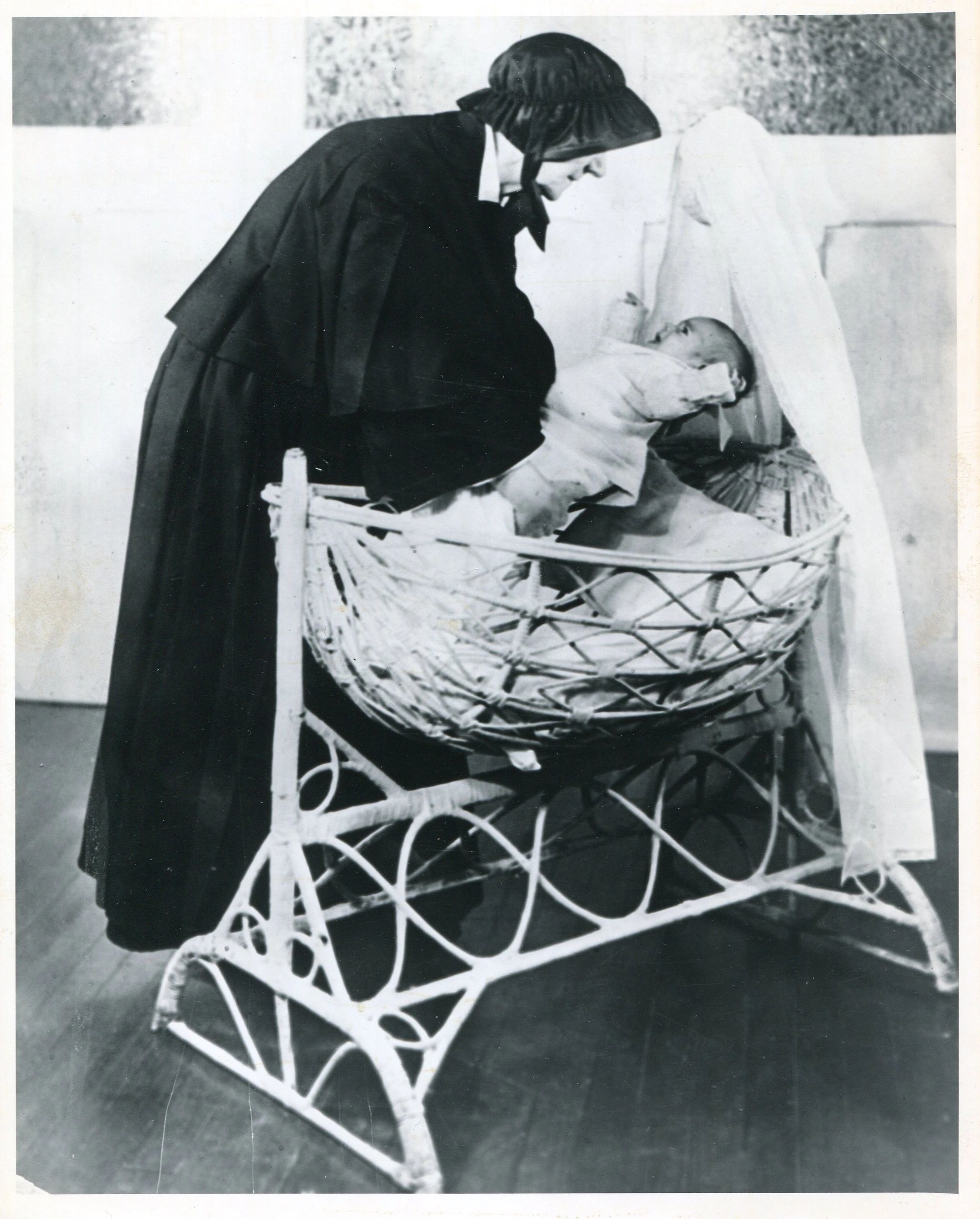
In the early twentieth century, an estimated 2,000 children were sent from the New York Foundling, an orphanage run by the Sisters of Charity, to foster families in Louisiana. They were sent on what was known at the time as “baby trains” and came to be known as Orphan Trains.
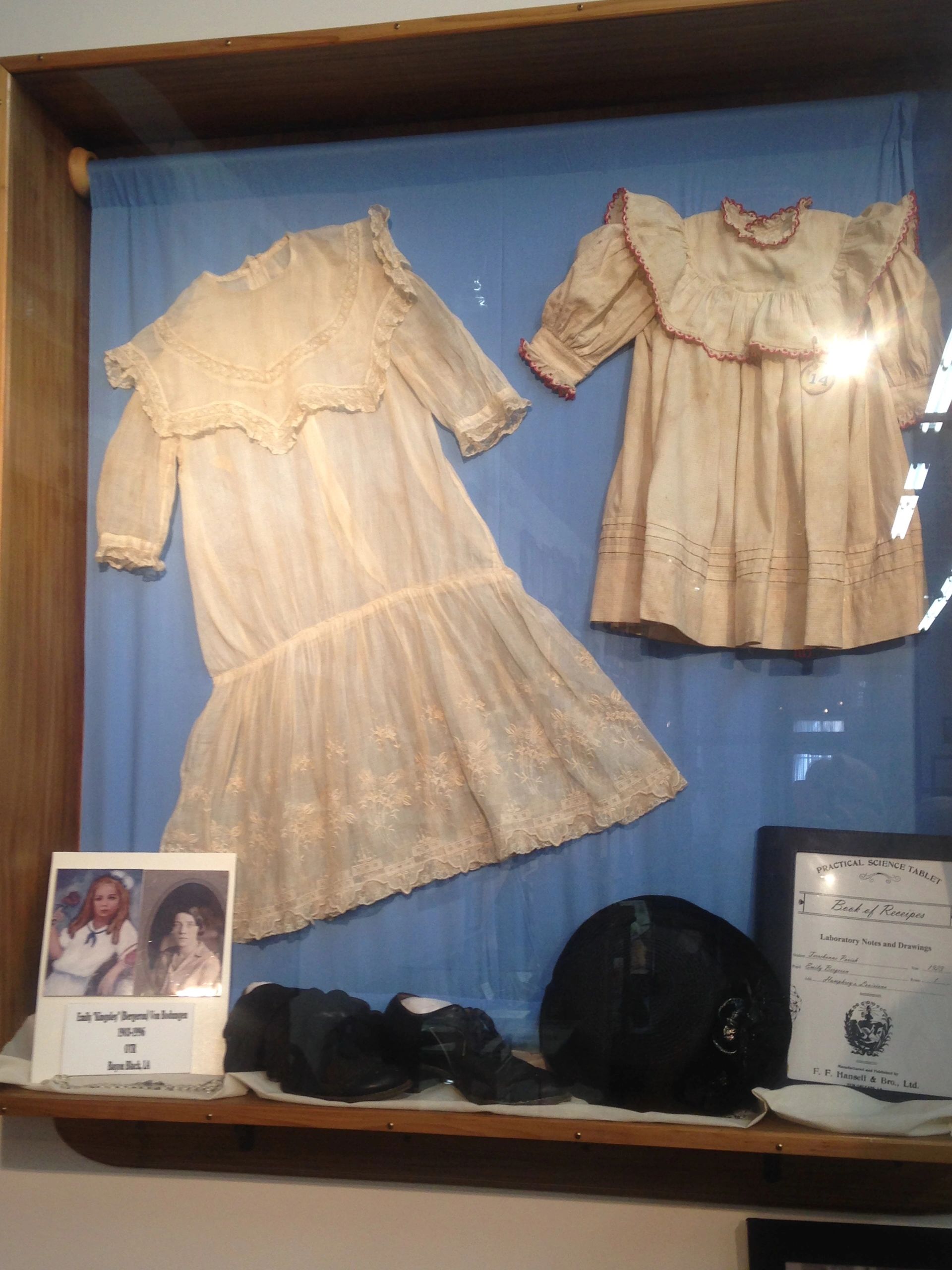
We first visited the Louisiana Orphan Train Museum a few months after the death of Alice Kearns Bernard, the last known living Louisiana Orphan Train rider. At that time, we knew little about the history of the Orphan Train and even less about how deeply it had affected so many lives in Louisiana.
As we learned more, we realized we could never fully understand the stories without considering the historical context of the time, the diverse cultures of New York and Louisiana, and the uniqueness of each child. We wrote this book to examine the remarkable history of the Orphan Train movement in Louisiana, where children found homes with families across the state, from the bustling city of New Orleans to the quieter small towns and fertile farmlands.
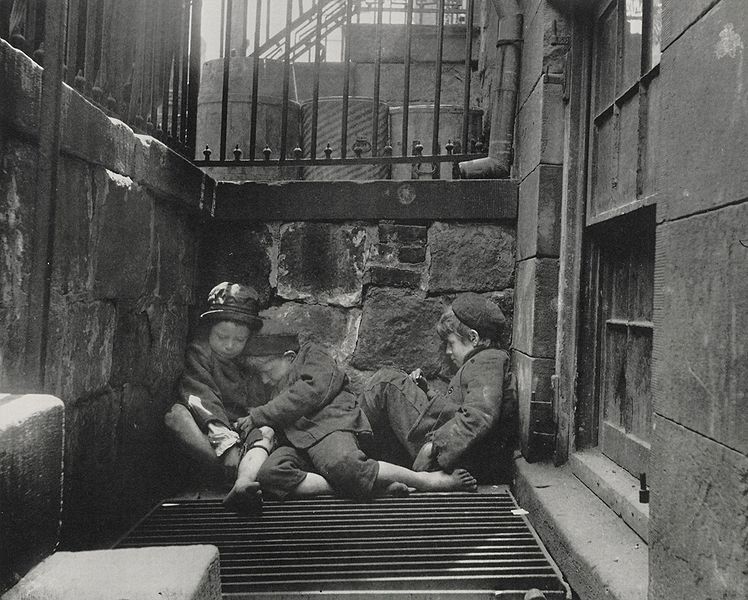
Pictures and documents from the early twentieth century gave us glimpses into the world these children entered. But most touching of all were the stories we heard from family members and friends of Orphan Train riders.
Each child carried a different history onto the train. Each arrived with different fears, needs, and memories. Each encountered a different family and a different future.
Some stories reveal love and belonging. Others are filled with loneliness, secrecy, and loss. Most contain both.
This book is an attempt to share those stories—to listen to them carefully and to ask what they can teach us about hospitality, childhood, identity, family, and belonging—and about the complicated ways in which people can be both saved and wounded by the choices made for them.
The more we learned, the more we understood that no single account could tell the whole story
Because the history of the Orphan Train is not one story.
It is many stories.
And each child has a story.